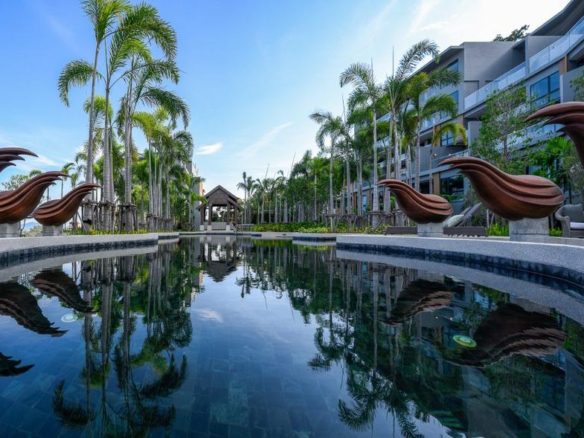
Branded residences in Phuket are homes built and run in partnership with an international hotel group. You own the home, and the hotel group manages the building to its own standards, often with a letting programme and access to hotel services. They sit alongside two other products that can look similar in a brochure: hotel room units, often called condotels, and fractional schemes. Each one gives you a different kind of ownership.
This guide explains the three, then sets out what to check in the title and the management contract before you buy.
Three ways to buy into hotel style living
| Branded residence | Hotel room product | Fractional scheme | |
|---|---|---|---|
| What you own | A whole home, with its own title | A hotel room unit, often on a lease | A share of a home, or the right to use it for set weeks |
| Typical title | Condominium freehold within the foreign quota, or a registered lease | Registered lease or condominium title inside a hotel | Shares in a company or a membership right |
| Home layout | Full kitchen, living space, bedrooms | Hotel room, sometimes a kitchenette | Varies |
| Personal use | Live in it, let it, or both | Limited owner nights each year | Fixed or rotating weeks |
| Rental | Optional letting programme | Usually part of a rental pool | Usually none, or limited |
| Long stay visa use | A freehold home of 3M baht or more can qualify | Depends on the title and value | Company and shared holdings do not qualify |
| Resale | Open market, like any home | Narrower buyer pool | Often through the scheme itself |
Owning a branded home
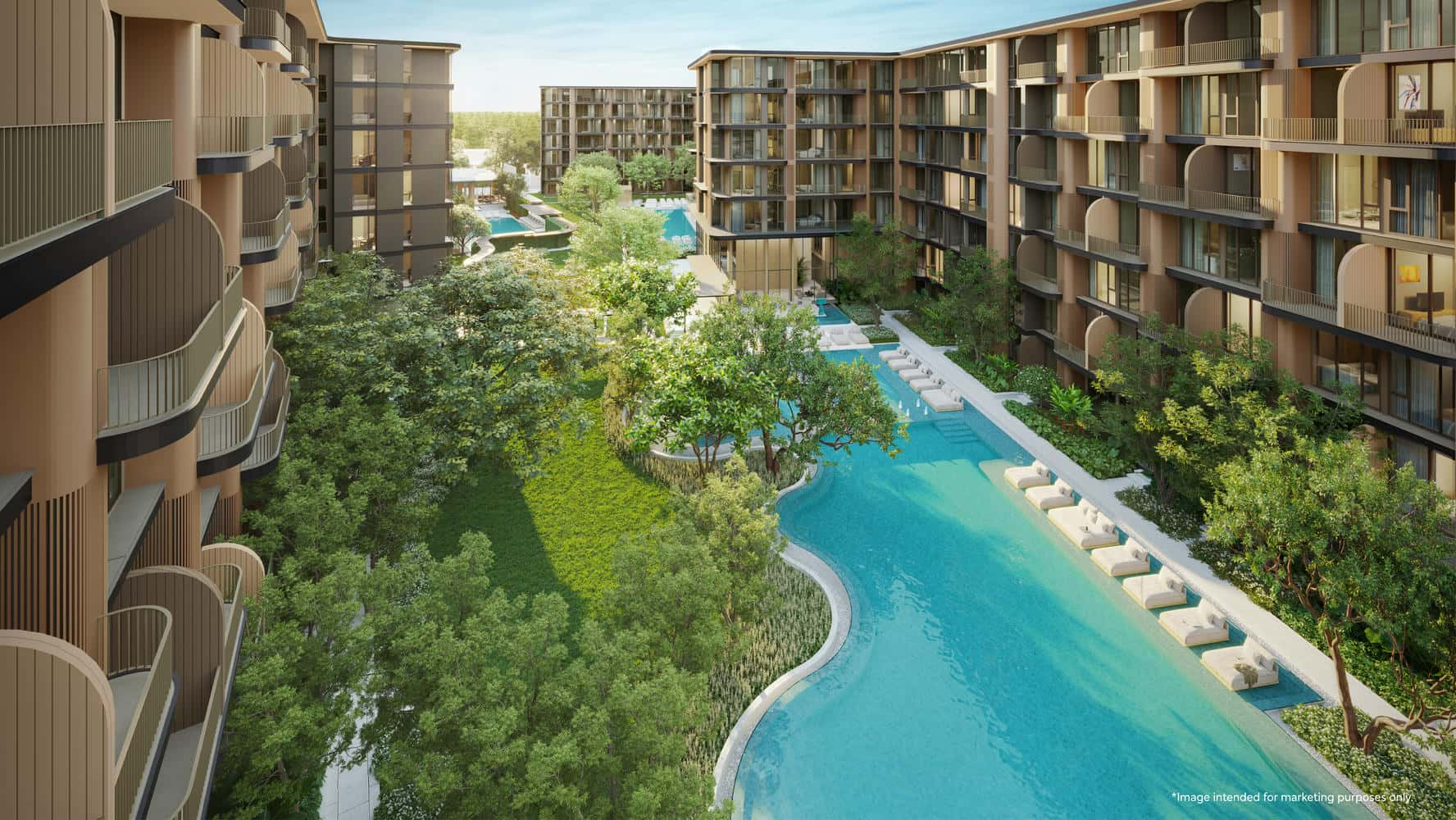
A branded residence is a home first. You hold the title, you choose how much you use it, and you can sell it on the open market. The brand brings design standards, a management team trained to hotel service levels, and a letting programme for owners who want income when they are away. Many Phuket branded residences sit within walking distance of world class amenities: beach clubs, golf courses and shopping destinations.
Branded homes on the island range from one bedroom condominiums to pool villas. Our branded residences in Phuket page lists what is available now, including homes in Laguna and Bang Tao.
Hotel room products
A hotel room product sells individual keys inside an operating hotel. The owner receives a share of the room revenue, sometimes with a fixed return for the first years, and gets a set number of nights each year. It suits buyers who want a hands off income product and are comfortable with limited personal use. Because the unit is a hotel room, resale buyers tend to be other investors, which narrows the market.
Fractional schemes
A fractional scheme sells a share of a home, usually through shares in a holding company or a membership. You get the right to stay for a set number of weeks. It lowers the entry price for a high end villa. Your ownership sits in a company or a membership, while the long stay visa routes for property owners require a unit held personally.
What to check in the title
The title tells you what you actually own. Ask your lawyer to confirm each of these before you pay beyond the reservation.
| Check | What to look for |
|---|---|
| Title type | Condominium title for a freehold unit, or a registered lease on a Chanote for land and villas |
| Foreign quota | That the unit is allocated to foreign freehold, within 49% of the building’s floor area |
| Registered owner | Your own name for freehold, or a lease registered at the Land Office |
| Hotel licence and building permits | That the building is permitted for the use being sold |
| Encumbrances | Mortgages or leases already registered against the land |

What to check in the management contract
The management contract decides how long the brand stays, what it costs you and what you can do with your home. In one Bang Tao branded residence, the residential management agreement with the hotel group runs for about 25 years in five year blocks, and owners can choose to exit at each five year point. That kind of structure gives owners a say over time.
| Clause | Question to ask |
|---|---|
| Term and renewals | How long does the brand stay, and can owners vote to leave? |
| Common area fee | What is the rate per square metre, and how does it rise? |
| Sinking fund | How much is due at handover, and how is it topped up? |
| Letting programme | Is it optional, what is the revenue split, how many owner nights? |
| Brand standards | Who pays for required furniture and refurbishment? |
| Resale | Are there brand approvals or fees on sale? |
Running costs are higher than in an ordinary condominium, because you are paying for service. One Bang Tao branded development benchmarks its common area fee at about 1 per cent of property value a year, within a typical branded range of 0.5 to 2 per cent. Its fee steps from 120 baht per square metre a month in the first year to 148 baht from the third. Build these figures into your numbers from the start.
If you plan to rent the home, read our guide on the Phuket rental income guarantee to see how letting income and fees work in practice.
Choosing between them
If you want a home you can live in, let when you are away and sell freely, a branded residence fits best. If you want a passive income product with a few holiday nights, a hotel room unit may suit you. If you want occasional use of a large villa at a lower entry price, a fractional scheme can work, with the trade off of shared ownership.
Branded residences in Phuket are one of our four specialist areas at Easy Living Phuket, and we work with buyers on the title and contract questions every week. Talk to us about the branded homes that fit your plans, and we will introduce you to an independent lawyer for the legal review.
Let’s find the property in Phuket that fits you the most.