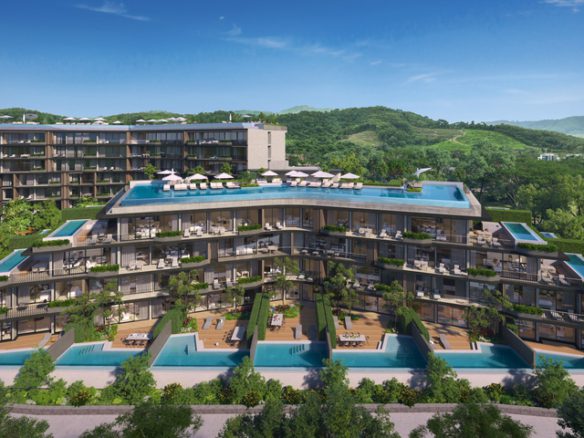
The Best Neighborhoods Phuket Families Choose in 2025: Schools, Safety, and Lifestyle Compared
Finding the best neighborhoods Phuket families love starts with one non-negotiable: the school commute. In 2025, expat families arrive on the island with a checklist that balances proximity to top international schools, safe beaches for weekend adventures, quick access to quality healthcare, and a community vibe that makes daily life feel easy. Unlike solo digital nomads or retirees, families need the full package, walkable amenities, low traffic stress during morning drop-offs, and housing that accommodates three bedrooms, a workspace, and perhaps a small garden or pool. This guide breaks down the family friendly neighborhoods Phuket offers today, comparing costs, commute patterns, and lifestyle trade-offs so you can shortlist your ideal area in one read.
What Families Really Value When Choosing a Phuket Base
Before diving into specific areas, let’s clarify what matters most to expat families Phuket in 2025. Survey any parent at pickup time and you’ll hear the same priorities:
- School commute time. Twenty minutes door-to-door is the sweet spot; anything over thirty-five minutes on congested roads tests patience when you’re doing it twice a day, five days a week.
- Beach safety and type. Families with younger children prefer calm, shallow bays, Kamala or Nai Harn, over the surf swells of Kata. Proximity doesn’t always mean walkable; parking and seasonal crowds also factor in.
- Amenities within ten minutes. Supermarkets stocking Western brands, playgrounds, pediatric clinics, family cafes, and weekend activity hubs like Boat Avenue or Porto de Phuket make weekdays manageable.
- Community and expat density. Many families gravitate toward neighborhoods with established expat networks, instant playdates, school-run carpools, and advice on visa agents or tutors.
- Budget and housing format. Villas offer space and privacy but command premiums in popular zones; modern condos with pools and gyms suit smaller families or those testing island life for a year before committing. Townhomes split the difference.
- Seasonal realities. High season, November through April, brings tourist traffic that clogs beach roads. Rainy season, May through October, tests drainage and road quality in less developed pockets.
Keep these filters in mind as you read; every family will weight them differently depending on children’s ages, work-from-home flexibility, and lifestyle preference.
How to Choose Your Area Fast: A Decision Framework
Rather than tour every corner of Phuket, use this three-step filter to narrow your shortlist to two or three neighborhoods:
Step One: Plot Your School Commute
Open Google Maps and draw a twenty-minute drive radius from your chosen international school at 7:45 a.m. on a Thursday. Schools cluster in three zones: the central corridor around Kathu and Koh Kaew, the Cherngtalay-Thalang northern belt, and the Chalong-Rawai southern arc. Your commute map eliminates half the island immediately.
Step Two: Match Lifestyle to Beach Type
Do you picture Saturday mornings at a bustling beach club with organized kids’ activities, or a quiet cove with a picnic blanket? Lively, amenity-rich areas like Bang Tao and Kata offer convenience but higher density. Tranquil zones like Naithon or Nai Harn deliver serenity but require a car for every errand.
Step Three: Set a Housing Budget and Format
Expect these ballpark monthly ranges for long-term family rentals in 2025:
- Cherngtalay and Bang Tao villas: ฿80,000–฿150,000 for three to four bedrooms with private pools
- Kathu and Koh Kaew condos: ฿35,000–฿65,000 for modern two to three-bedroom units
- Chalong and Rawai townhomes: ฿40,000–฿75,000 for gated communities with shared pools
- Kata and Karon condos: ฿50,000–฿90,000 for beachfront or sea-view units
- Thalang and Layan luxury villas: ฿100,000–฿250,000 for new-build estates near UWC Thailand
Purchase prices run roughly 150 to 200 times monthly rent; a ฿60,000 rental corresponds to a ฿9–12 million purchase, though premium locations skew higher.
Quick checklist:
- Can you reach your top-choice school in under twenty-five minutes at peak time?
- Does the neighborhood offer at least one supermarket, playground, and clinic within a ten-minute drive?
- Will your housing budget stretch to the property type, villa, condo, or townhome, you need?
- Is there an active expat parent community you can tap into?
- Have you visited during both high season and a rainy-season afternoon to test traffic and drainage?
If you answer yes to four of five, add that area to your shortlist.

Neighborhoods Guide: Pros, Cons, and Perfect Fits
Bang Tao and Cherngtalay: The Expat Family Hub
What you get: The densest concentration of family friendly neighborhoods Phuket offers. Laguna Phuket, a master-planned resort complex, anchors the southern end with condos, villas, international dining, and the Blue Tree water park. Just inland, Cherngtalay village hosts Boat Avenue, a lifestyle mall packed with bakeries, tutoring centers, yoga studios, and weekend markets. Porto de Phuket adds more F&B and kids’ activities. Housing ranges from older Thai-style villas at ฿60,000 monthly to modern pool estates at ฿150,000 and luxury Laguna condos at ฿80,000 for two bedrooms.
- Pros:
- Strong expat families Phuket network; instant social circle at school gates and weekend brunches
- Walkable amenities if you choose clusters near Boat Avenue or Laguna
- Direct beach access at Bang Tao, long, sandy, and dotted with beach clubs
- Proximity to HeadStart International School Cherngtalay campus and reasonable commute to UWC Thailand or BISP
- Cons:
- Premium pricing; among the island’s most expensive residential zones
- Heavy traffic during high season, especially the Laguna-Boat Avenue-Bang Tao loop
- Tourist density spikes November through April, crowding beaches and restaurants
- Best for: Families prioritizing convenience, community, and a turn-key lifestyle; those enrolling at HeadStart or UWC who want a sub-twenty-minute commute; parents who value walkability and a vibrant social calendar.
See family-friendly homes in Bang Tao
Kamala: Village Calm with Quick Access
What you get: A mid-sized beach town with a local Thai core and a growing expat fringe. Kamala Beach offers gentler waves than Patong, making it safer for young swimmers. The village has minimart clusters, family-run restaurants, and a slower pace. A ten-minute drive south reaches Patong’s Jungceylon mall for bulk shopping; fifteen minutes north gets you to Boat Avenue. Housing leans toward older villas and small condo projects, ฿50,000–฿80,000 monthly for three-bedroom setups.
- Pros:
- Quieter, less commercialized beach scene
- Lower cost of living than Cherngtalay or Kata
- Strong sense of local community; expat families integrate easily
- Reasonable drive to BISP or HeadStart
- Cons:
- Fewer international schools within immediate radius; expect twenty-five to thirty-minute commutes
- Limited Western supermarkets and amenities compared to Bang Tao
- Hillside properties common; narrow, steep roads can be tricky in rain
- Best for: Families with younger children who prefer a village feel and don’t mind a slightly longer school run; budget-conscious expats seeking value without sacrificing beach proximity.

studio-kathu-2
Kathu and Koh Kaew: The Commuter’s Sweet Spot
What you get: Landlocked suburbs straddling the island’s central spine. Kathu sits adjacent to British International School Phuket and offers quick highway access to Central Phuket mall, Bangkok Hospital Phuket, and Phuket Town. Koh Kaew, just east, places you near Kajonkiet International School and HeadStart’s Wichit campus. Expect modern condo towers, ฿35,000–฿65,000 monthly, gated townhome estates, and some standalone villas. This is suburban Phuket: think tree-lined streets, local markets, minimal tourist footfall.
- Pros:
- Best areas Phuket families choose for school proximity; BISP and KIS are under ten minutes
- Central location cuts commute to most other parts of the island
- Lower housing costs; excellent condo value for families testing island life
- Close to hospitals, Central Festival for shopping, and Phuket Town’s cultural attractions
- Cons:
- No beach within walking or even short driving distance; closest decent beach is fifteen to twenty minutes
- Less international dining and weekend activities compared to coastal zones
- Can feel suburban and car-dependent; limited walkability
- Best for: Families prioritizing school commute and medical access over beach lifestyle; digital-nomad parents who work from home and value affordability; those enrolling children at BISP, KIS, or HeadStart Wichit.
View Kathu accommodations near top schools
Chalong: Value, Variety, and the Southern Gateway
What you get: Chalong sprawls across the island’s southern midsection, mixing local Thai neighborhoods, expat enclaves, marinas, and light industrial pockets. Chalong Circle, a busy roundabout, funnels traffic to Rawai, Kata, and Phuket Town, creating congestion during peak hours. The area hosts British Curriculum International School, numerous yacht clubs, fitness centers, and Villa Market supermarkets. Housing is diverse: older villas at ฿40,000, modern townhomes at ฿50,000–฿70,000, and newer condos at ฿45,000–฿80,000.
- Pros:
- Excellent value for money; spacious family homes at mid-range budgets
- BCIS on-site simplifies school runs for British-curriculum families
- Marinas and sailing clubs offer weekend activities; proximity to sports facilities
- Quick access to Rawai’s beaches and Phuket Town’s amenities
- Cons:
- Traffic bottleneck at Chalong Circle, especially 7:00–9:00 a.m. and 4:00–6:00 p.m.
- Mixed zoning means some streets feel industrial or lack charm
- No standout beach within Chalong proper; need to drive to Rawai or Kata
- Best for: Budget-conscious expat families Phuket enrolling at BCIS; boating enthusiasts; those who prioritize space and value over beachfront lifestyle.
Rawai and Nai Harn: Laid-Back Living for Long-Termers
What you get: The island’s southern tip, beloved by long-term expats and retirees who’ve watched Phuket evolve. Rawai Beach is a working fishing village, not a swimming beach, but Nai Harn Beach, a ten-minute drive, ranks among Phuket’s most beautiful, a horseshoe bay with calm waters and a park. The area has grown into a foodie hub, farm-to-table cafes, weekend markets, family-friendly brunch spots, and a tight-knit expat community. Housing includes beachside condos at ฿50,000–฿90,000 and hillside villas at ฿70,000–฿120,000.
- Pros:
- Relaxed, authentic island vibe with strong expat networks
- Nai Harn Beach ideal for families with young children; safe swimming and shaded park
- Excellent dining scene and weekend activities
- BCIS reachable in ten to fifteen minutes; Chalong amenities nearby
- Cons:
- Longer commute to northern and central schools, thirty to forty minutes to BISP or UWC
- Limited large-format supermarkets; plan weekly grocery trips to Central or Tesco Lotus
- Hilly terrain; many properties accessed via steep driveways
- Best for: Families enrolling at BCIS who prioritize beach lifestyle and community over commute convenience; long-term expats who’ve done the Phuket circuit and want a permanent base; parents with flexible work-from-home schedules.
Kata and Karon: Beachfront Convenience, Seasonal Trade-Offs
What you get: Twin west-coast beaches with wide, sandy shores and a well-developed tourist infrastructure that families can leverage. Kata suits younger kids with its southern bay’s calmer section; Karon stretches longer and attracts more evening joggers and weekend picnickers. Both areas offer beachfront condos, family restaurants, minimart clusters, and easy parking. Expect ฿50,000–฿90,000 monthly for modern two to three-bedroom condos; standalone villas are rare and pricey.
- Pros:
- Walkable beach lifestyle; morning swim before school drop-off is feasible
- Family-friendly dining with international options
- Reasonable distance to BCIS, fifteen to twenty minutes, and Chalong amenities
- Condo facilities, pools, gyms, kids’ clubs, cater to families
- Cons:
- High-season tourist traffic clogs beach roads and parking
- Larger villas scarce; condo living means less outdoor space for kids
- Commute to northern schools, BISP, UWC, pushes thirty-five to forty minutes
- Best for: Small to mid-sized families who prioritize walkable beach access and modern condo living; BCIS families seeking beachfront lifestyle; those who can handle seasonal crowds or plan to travel during peak tourist months.
Browse Phuket condos with family amenities
Thalang, Layan, and Naithon: Green, Luxe, and Car-Dependent
What you get: Phuket’s quieter northern reaches, where coconut groves, rubber plantations, and low-density villa estates dominate. Layan Beach offers boutique resorts and a peaceful shoreline; Naithon Beach remains undeveloped and serene. UWC Thailand anchors the area, drawing families into new-build villa projects priced ฿100,000–฿250,000 monthly or ฿15–40 million to purchase. Thalang town, inland, provides local markets and basic services but few Western amenities.
- Pros:
- Lowest density; large plots, private pools, lush gardens
- Premium international school on your doorstep if enrolling at UWC
- Airport proximity, fifteen to twenty minutes, eases frequent travel
- Serene beaches with minimal tourist impact
- Cons:
- Isolated; every errand requires a car
- Limited dining, shopping, and family activities compared to southern and central zones
- Long commute to any school other than UWC, thirty-five to fifty minutes to BISP or HeadStart
- Best for: UWC Thailand families who value space, privacy, and a resort-like setting; high-net-worth expats seeking luxury and seclusion; families with one parent home-based and comfortable with car dependency.
Matching Neighborhoods to International Schools: Commute Reality Check
Choosing the best neighborhoods Phuket families settle in often hinges on a single decision: which school. Here’s how areas align with major campuses:
British International School Phuket (BISP), Kathu
- Closest neighborhoods: Kathu, Koh Kaew, Phuket Town outskirts, Cherngtalay’s eastern fringe
- Commute sweet spot: Ten to fifteen minutes from Kathu condos, twenty minutes from Cherngtalay
- Traffic note: Morning rush from Chalong or Rawai can push thirty minutes; test drive at 7:30 a.m. on a weekday
- Housing fit: Condos and townhomes in Kathu offer unbeatable proximity; Cherngtalay families trade longer drives for beach lifestyle.
UWC Thailand, Thalang
- Closest neighborhoods: Thalang, Layan, Naithon, northern Cherngtalay
- Commute sweet spot: Five to ten minutes from Layan villas, fifteen from Cherngtalay’s northern edge
- Traffic note: Minimal congestion; main risk is rainy-season flooding on low-lying access roads
- Housing fit: Luxury villa estates dominate; few budget options within ten-minute radius.
HeadStart International School
- Cherngtalay campus: Ideal for Bang Tao, Laguna, and Cherngtalay families, five to ten-minute drives
- Wichit campus: Serves Kathu, Koh Kaew, Phuket Town, and Chalong families, ten to twenty minutes
- Commute flexibility: Two campuses mean families can choose housing first, then pick the nearest HeadStart location.
Kajonkiet International School (KIS), Kathu
- Closest neighborhoods: Kathu, Phuket Town, Koh Kaew
- Commute sweet spot: Sub-ten minutes from central Kathu condos
- Traffic note: Shares morning rush with BISP; Bypass Road eases flow
- Housing fit: Affordable condos and townhomes cluster within walking or short-drive distance.
BCIS Phuket, Chalong
- Closest neighborhoods: Chalong, Rawai, Kata, Karon
- Commute sweet spot: Five to fifteen minutes from Chalong townhomes, ten to twenty from Rawai
- Traffic note: Chalong Circle congestion peaks 7:00–8:30 a.m.; allow buffer time
- Housing fit: Best value for money; spacious villas and townhomes at mid-range budgets.
Universal tips:
- Conduct at least two test drives during actual school-start times; Google estimates often undercount Phuket’s micro-jams.
- Factor rainy-season realities; roads flood, visibility drops, and speeds halve between May and October.
- Investigate school-bus routes; many international schools offer door-to-door service that can offset a longer commute.
- Consider carpool potential; living near other school families turns commute time into social time.
Living the Family Life: Costs, Housing Formats, and Seasonal Realities
Beyond commute and schools, day-to-day practicalities shape your experience in any neighborhood.
Housing Formats and What They Deliver
Villas: Three to five bedrooms, private pools, gardens, and parking. Premium in Cherngtalay, Layan, and Rawai; best for families needing workspace, outdoor play areas, and hosting visiting grandparents. Maintenance, pool cleaning, gardening, adds ฿5,000–฿15,000 monthly.
Condos: Two to three bedrooms, shared pools, gyms, and security. Dominant in Kathu, Kata, and Laguna. Lower maintenance, included in condo fees around ฿3,000–฿8,000 monthly, but less privacy and outdoor space. Ideal for smaller families or those testing Phuket before committing to a villa.
Townhomes: Middle ground, two to four bedrooms, small private yards, gated community pools. Common in Chalong and Koh Kaew. Offer space without full villa upkeep; good for growing families on mid-range budgets.
Seasonal Cost Swings
Rental prices peak November through February, high season, when short-term holiday demand pushes up long-term rates by ten to twenty percent. Negotiate twelve-month leases during low season, May through October, for better deals. Electricity bills double in hot season, March through May, when air-con runs around the clock; budget ฿5,000–฿12,000 monthly depending on property size.
Utilities, Transport, and School Fees Reality
- Electricity: ฿5–7 per unit, double Thailand’s mainland average
- Water: ฿200–฿500 monthly
- Internet fiber: ฿600–฿1,200 for 500 Mbps to 1 Gbps
- Car essential: Fuel ฿3,000–฿6,000 monthly, insurance ฿15,000–฿30,000 annually
- International school fees: ฿300,000–฿900,000 per child annually, depending on school and grade
Families should budget ฿150,000–฿300,000 monthly all-in, rent, utilities, transport, groceries, school fees, and discretionary spending, to live comfortably in the best areas Phuket families favor.
Your Shortlist Strategy and Next Steps
By now, you’ve learned that the best neighborhoods Phuket families choose depend on a triangle of priorities: school commute, lifestyle preference, and budget. To finalize your shortlist:
-
- Revisit your school choice. If your children will attend BISP or KIS, Kathu and Koh Kaew deliver unbeatable commutes and value. UWC families gravitate to Thalang and Layan for proximity and luxury. BCIS parents cluster in Chalong and Rawai for affordability and beach access. HeadStart’s dual campuses give flexibility, Bang Tao for beach life, Wichit for central convenience.
-
- Test-drive at peak hours. Spend a morning mimicking your school run and an afternoon running errands supermarket, clinic, playground. You’ll quickly sense whether a neighborhood’s daily rhythm suits your family.
-
- Match housing format to life stage. Toddlers thrive in gated villa communities with yards; older kids adapt to condo living if facilities include pools and play areas. Multigenerational families need space; villas in Rawai or Cherngtalay make sense.
-
- Weigh expat density. New arrivals often prefer established expat enclaves like Bang Tao or Chalong for instant community support. Long-termers comfortable navigating Thai systems might choose quieter pockets like Kamala or Naithon.
- Plan for growth. If you’re committing to several years, consider whether the neighborhood will still work as children age, school changes, job situations shift, or you grow tired of tourist traffic.
Ready to move from research to action? Browse family-friendly villas near international schools to see current listings that match your shortlist. Explore condo projects with kids’ facilities in Bang Tao and Cherngtalay if modern, managed living appeals. Request a curated property shortlist by school catchment and budget so an agent filters hundreds of options down to your top ten. Book a neighborhood discovery tour covering Bang Tao, Kathu, Chalong, and Rawai in one efficient day. Get early access to off-plan projects with family amenities before public launch, securing better pricing and unit selection. Ask about long-term rental options while you settle and confirm your chosen area feels right. Finally, download the Phuket family relocation checklist for a step-by-step timeline covering visas, school applications, utilities setup, and first-month essentials.
The island’s family friendly neighborhoods Phuket offers in 2025 cater to every budget, school choice, and lifestyle dream. Your perfect base is waiting; now you know exactly where to look.